Vaping Has Overtaken Smoking in the UK: What the 2026 Data Actually Means
The numbers are official now, and they represent a genuine milestone. For the first time in modern history, more UK adults use vapes than smoke cigarettes. The latest 2026 ASH Smokefree GB survey confirms it definitively. Ten point three percent of British adults vape while eleven percent still smoke. The gap has closed almost completely. Decades of public health messaging, product bans, and legislation have finally converged. Vaping is becoming the new normal. Smoking is declining faster than anyone predicted it would.
This is not a minor shift in behavior either. Three point three million ex-smokers have quit cigarettes completely by switching to vapes instead. They stopped breathing tar. They stopped ingesting carbon monoxide. They stopped exposing themselves to the full spectrum of carcinogens in smoke. Those are real people with genuine health improvements. The data confirms what the NHS has been saying consistently. Vaping works as a smoking cessation tool. Not perfectly. But genuinely.
Daily smoking has hit a historic low of just six point six percent of British adults. Back in the nineteen seventies nearly half the population smoked regularly. The journey from then to now tells a clear story of steady decline accelerating sharply. The pace really jumped after 2017 when plain cigarette packaging arrived. Then vaping scaled up dramatically. Two trends moving in opposite directions simultaneously. Vaping rising while smoking fell. Until they crossed.
The 2026 ASH Data Explained Simply
Action on Smoking and Health surveyed thirteen thousand two hundred fifty nine respondents across Great Britain to compile this comprehensive data. These were not casual questions thrown together quickly. The survey dug into detailed vaping status, frequency of use, types of devices, reasons for vaping, and how people actually perceive vaping harms.
Five point five million adults currently vape. That represents ten point three percent of the adult population. What matters is this number has stayed stable since 2024. Growth stopped after years of rapid expansion. Back in 2012 only one point seven percent of UK adults vaped. Fourteen years of growth eventually led to a natural plateau. The market reached maturity. Saturation arrived. New vapers entering roughly balanced those quitting.
Four point nine million adults still smoke cigarettes. That is nine point one percent of the adult population. This number keeps falling steadily. It dropped from eleven percent in 2025 to just over ten percent in 2026. Smoking will continue declining because people keep finding ways to quit. Vaping is not causing anyone to start smoking. The opposite is happening. Millions quit smoking by switching to vaping.
Here is what is remarkable about the vapers. Sixty percent quit smoking to start vaping instead. That is three point three million people who deliberately made the switch. They knew the choice they were making. They chose vaping over continued cigarette smoking. Another thirty two percent of vapers still smoke, using both products at the same time. That is one point seven million people who have not yet fully transitioned away from cigarettes. Only eight percent of vapers have never smoked at all. Those are rare. Most vapers in 2026 are ex-smokers or people still working through the transition.
What Shifted the Market Toward Rechargeable Devices
Disposable vapes dominated the market back in 2023. Thirty one percent of all vapers used disposables exclusively. By 2024 that share had dropped to twelve percent. In 2026 only eight percent of vapers still rely on disposables. The collapse happened because regulations specifically targeted single-use devices. The environment argument gained real traction. Lithium batteries getting burned instead of recycled made headlines. Retailers faced increasing pressure. Stock got cleared. Consumers shifted toward refillable options.
The trend accelerated because refillable vapes simply work better than disposables. Users discovered better vape kits lasted dramatically longer. Flavor quality improved noticeably across the board. Battery technology advanced significantly. Coil engineering became truly sophisticated. People kept switching because the products were genuinely superior. Disposables gave way because they were never the best choice. They were convenient. Nothing more.
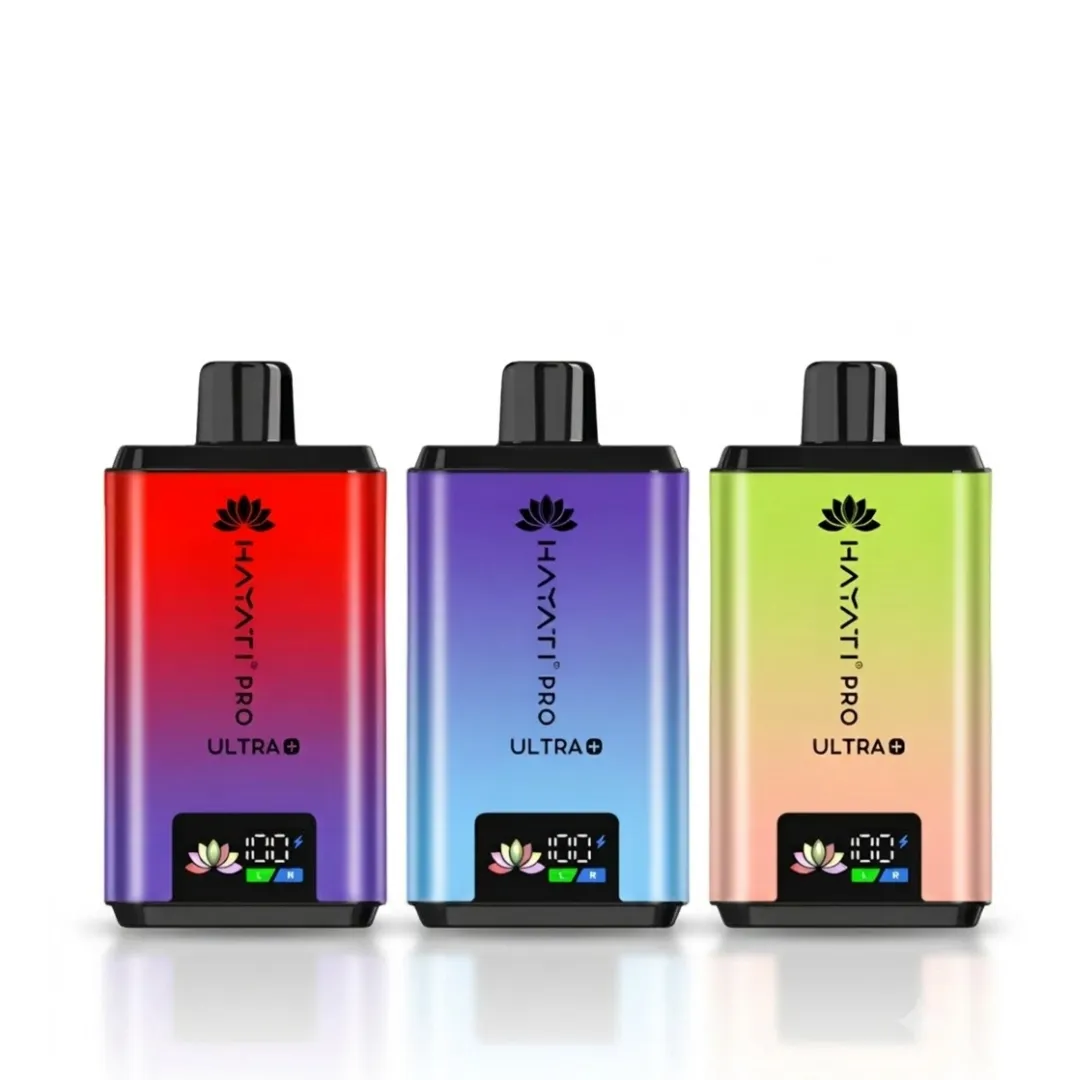
Hayati Pro Ultra Plus 25000 Prefilled Pod Kit features up to 25,000 puffs, dual mesh coils, rich flavours and a rechargeable battery for all-day vaping.
Technology improved rapidly across the board. Mesh coils became the standard rapidly. They heat liquid far more evenly than alternatives. Flavor comes through cleaner and crisper. Burnt tastes disappeared almost completely. Battery capacity kept increasing steadily. Devices lasting a full day became normal. Pod systems added genuine variety to the market. Refillable pods reduced waste dramatically. The switch made financial sense too. Refillable kits cost less per puff than disposables. Users kept more money in their pockets.
Why the Misconception About Vaping Harm Persists
Fifty four percent of UK adults wrongly believe vaping is as harmful or more harmful than smoking. This represents a record level of misunderstanding in modern times. Among smokers specifically the belief runs even higher at fifty two percent. Among smokers who have never actually tried vaping it climbs to sixty one percent. These are precisely the people who would benefit most from switching to vaping. Yet they hold fast to the belief that vaping is equally dangerous.
This misconception has grown steadily every year since 2022. Back in 2016 and 2019 only about one in four adults got it wrong. Something shifted somewhere. Media coverage changed direction. Scary headlines about youth vaping started dominating the news cycle. Regulatory crackdowns on the vaping industry created genuine fear. Social media amplified concerns relentlessly. Even the government itself warned about vaping harms in language that overshadowed any smoking comparisons.
The NHS position remains crystal clear and unambiguous. Vaping is not risk free. It carries some risk. But it is far less harmful than smoking. NICE agrees completely. Every major UK health body agrees on this. The underlying evidence has not changed. The actual facts have not changed. Only the public's perception has shifted downward dramatically. That gap between the evidence and what people believe has become the real public health problem.
Smokers need accurate information to make informed choices. They need to understand vaping is a viable exit route from cigarettes. Instead they hear vaping might be just as bad as smoking. So they keep smoking. They keep enduring the full range of smoking harms. They remain exposed to tar, carbon monoxide, and all those carcinogens. The miscommunication costs lives literally.
Ex-Smokers Driving the Vaping Shift
Three point three million people deliberately quit smoking by switching to e-liquids and vaping devices. These are not teenagers chasing clouds and trends. These are working adults who smoked for years or even decades. They tried everything else. Patches, gum, prescription medications, cold turkey attempts. None worked long term. Then they tried vaping. It worked. They got off cigarettes completely.
The Smoking Toolkit Study tracks this shift carefully. Vapes are now the most popular quitting aid in England by a significant margin. Population quit rates clearly track vaping prevalence closely. When vaping availability increased, quit rates increased accordingly. When disposables got restricted, quit rates plateaued. The connection is undeniable at this point. Vaping is doing what public health authorities have wanted for decades. It is helping people quit smoking at scale.
Seventy four point two percent of British adults have quit smoking completely. That is the highest quit rate in modern British history. In the nineteen seventies less than thirty percent had quit completely. Today quit rates are at record highs. Vaping deserves substantial credit for this achievement. The data is clear and consistent. Millions quit using vapes. It genuinely worked for them.
The Youth Vaping Story That Nobody Talks About
Adult media focuses almost entirely on the smoking-to-vaping transition among working adults. But the youth data tells a completely different story. Vaping among young people has plateaued at much lower levels than expected. Six percent of eleven to seventeen year olds currently vape. That is roughly 370 thousand young people. Only two percent vape daily. That is 140 thousand teenagers. These are remarkably low numbers compared to youth smoking situations decades ago.
Current youth smoking sits at four point eight percent. That is one in twenty young people. Ever smoking among youth dropped to eighteen percent in 2026. Back in 2025 it was twenty one percent. The trend is going in the right direction clearly. Fewer young people ever trying smoking. More young people avoiding cigarettes entirely. Vaping prevalence among youth has remained flat since 2023. Growth stopped completely. It did not accelerate. It did not explode as opponents feared. It simply stabilized.
Of young people who have ever vaped, eighty nine percent never regularly smoked tobacco. They tried vaping but not cigarettes. That is actually positive. They are not replacing smoking with vaping. Only five percent of youth reported smoking cigarettes before trying vaping. Vaping is not a gateway to smoking. The gateway runs the other direction entirely. Young smokers sometimes vape to reduce their cigarette consumption.
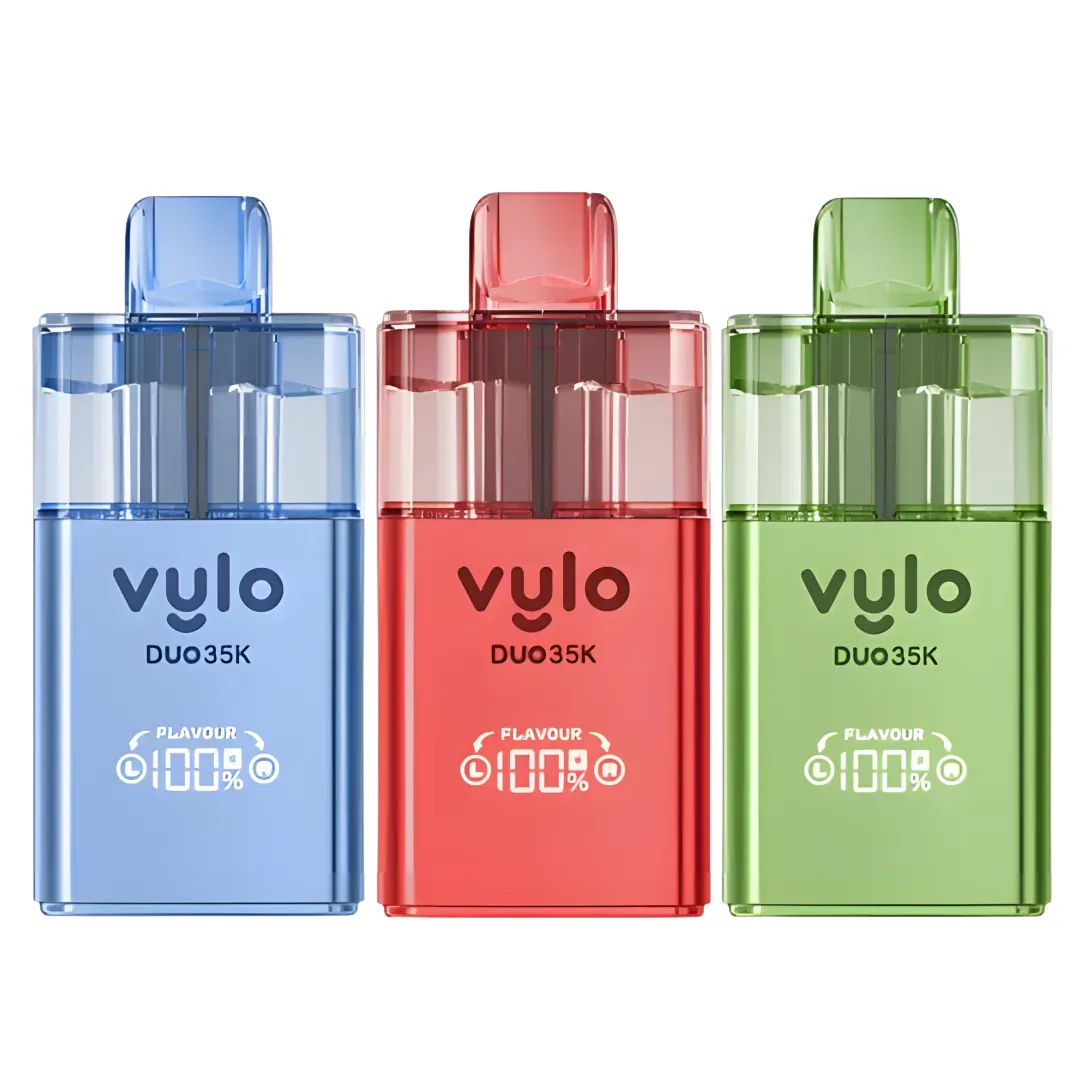
Vylo Duo 35K Puffs Kit | Get up to 35,000 puffs, with a 2mL prefilled pod plus 2×10mL refills for easy top-ups. £10.49, any 3 for £28 today.
Market Maturation Happened Faster Than Expected
Vaping growth from 1.7 percent in 2012 to 10.3 percent in 2026 represents explosive market expansion over fourteen years. But the real story is in the growth curve. Rapid expansion from 2012 to 2024. Then a complete plateau from 2024 forward. This is classic market maturation happening right on schedule. The early adopters got in first. The mainstream followed soon after. Then saturation arrived naturally.
The plateau is healthy and sustainable actually. It means most smokers who could potentially switch have already switched. Most non-smokers have decided whether they want to vape. New entrants balance those people quitting. The market stabilized at ten percent prevalence. That is sustainable long term. That is mature. That is not youth-driven explosive growth running unchecked. It is ex-smoker replacement happening at scale.
Competition intensified as the market reached maturity. New brands launched constantly. Quality improved across products. Prices got competitive. Retailers had real options. Product variety exploded. Check trending products and new arrivals sections regularly and you see constant innovation happening. The market is not declining. It is simply not growing at explosive rates anymore. That is the definition of a mature market.
The Public Health Success Nobody Celebrates
The data from 2026 represents a genuine and measurable public health success by any reasonable standard. Three point three million people quit smoking completely. Daily smoking hit all time record lows. Adult vaping prevalence reached expected plateaus. Youth smoking continued its decline. These are winning statistics by every meaningful measure.
Yet the media narrative surrounding vaping remains overwhelmingly negative throughout. Vaping dangers get emphasized repeatedly. Regulatory restrictions get tightened constantly. Youth use gets dramatized out of proportion. The overall messaging is actively preventing current smokers from trying vaping. The very tool that could help them quit is being discouraged by the people who should be promoting it.
This is the real irony of harm reduction policy. Vaping works as a smoking exit route. The evidence is completely unambiguous. Three point three million people prove it with their lives. Yet public perception, media coverage, and government rhetoric all work to undermine its reputation. People who could quit smoking end up staying trapped instead. That is a public health failure dressed up as protection.

Vapes Bars Angel 20K Vape Kit | Up to 20,000 puffs, dual 12ml pods, 850mAh Type-C battery, mesh coil, LED display. £10.99, any 3 for £30. Shop now!
What This Milestone Means for UK Public Health Policy
The data forces a genuine policy reckoning at the highest levels. Vaping has delivered what smoking bans, tax increases, and plain packaging could not deliver alone. It provided an exit ramp. Smokers had a viable alternative. Three point three million took it. The results speak for themselves completely.
Future policy should lean into this evidence more decisively. Messages should acknowledge vaping harms honestly but compare them directly to smoking. Smokers deserve accurate risk information. They deserve to know vaping is far less harmful. They deserve access to quality products. They deserve retailers who understand vaping as a smoking alternative genuinely.
Restricting vaping for youth protection makes logical sense. The regulations already in place appear to be working effectively. Young people represent only six percent prevalence. That is a small percentage. Further restrictions might eliminate youth vaping even further. But they also risk eliminating adult access to the smoking alternative that works best practically. Good policy needs genuine nuance. One size does not fit all situations.
The Data That Changes Everything
The 2026 ASH data is definitive and speaks clearly. Vaping has overtaken smoking in Great Britain. More adults use vapes than cigarettes. This is the first time in modern history. The milestone came because millions of people quit smoking using vapes successfully. They did not do this because vaping was trendy or cool. They did it because vaping worked.
The evidence is now settled completely. Vaping is far less harmful than smoking. The NHS knows this definitively. NICE knows this. Public health researchers know this. Yet the public still believes vaping is equally dangerous as smoking. That belief gap is the crisis. Not vaping itself. The misconception about vaping.
Three point three million ex-smokers have lives transformed by vaping. They breathe easier. Their health improves noticeably. Their future risk plummets. That is what the 2026 data actually means. Not crisis. Not danger. Progress. Real measurable progress toward smoke-free generations.
